-
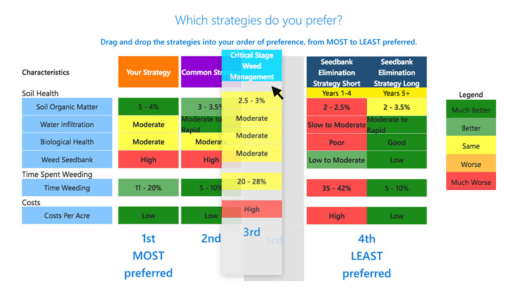
An online decision support tool to evaluate ecological weed management strategies
Weeds remain the most commonly cited concern of organic farmers. Without the benefit of synthetic herbicides, organic farmers must rely on a host of ecological weed management (EWM) practices to control weeds. Despite EWM’s ability to improve soil quality, the perceived rate of integrated EWM strategy adoption remains low. This low adoption is likely a… Read more
-
Most Michigan residents are concerned about Line 5 spilling into Mackinac Straits
On Friday, February 22nd, Grant Gunn and I, colleagues on an IPPSR MAPPR grant looking at the Line 5 underwater oil pipeline, spoke with Arnold Weinfeld and Charles Ballard on WKAR’s MSU Today with Russ White Podcast. Hear what we had to say and read about work here. You can also download the MSU Today… Read more
-
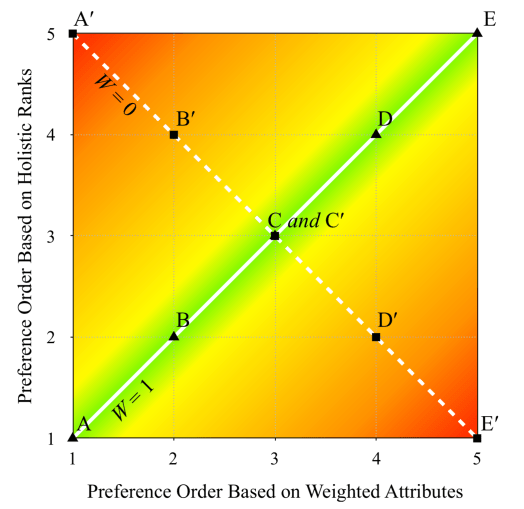
Do people disagree with themselves?
It is commonly accepted that people disagree with one another. In this article, my colleagues and I present results that suggest people may disagree with themselves. Using eight decision-making contexts ranging in familiarity, complexity, and risk, we show that a nationally representative sample (n = 1874) of respondents made choices that were inconsistent across two complimentary methods… Read more
-
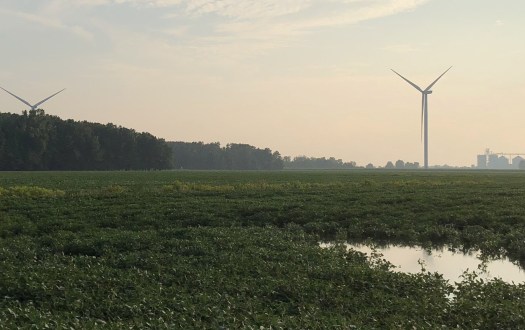
Exploring landowners’ post-construction changes in perceptions of wind energy in Michigan
Researchers have suggested that residents’ acceptance of wind turbines follow a U-shaped curve over time, starting with generally positive attitudes about wind energy, dipping once a project is proposed, and then rebounding after construction. This research considers how residents’ perceptions of the benefits and negative impacts of wind turbines shift post-construction by surveying the same… Read more
-
A Great Lakes pipeline dispute points to a broader energy dilemma
A deal involving an aging oil pipeline in Michigan reflects the complex decisions communities across the country must make to balance energy, safety and climate change. Read more on the ConversationUS Read more
-
Outdoor News: “Deer ‘stakeholders’ group does due diligence
I couldn’t be happier to read Steve Pollick’s review of the Ohio Division of Wildlife’s deer stakeholder process. It was a lot of time and energy spent not only by the ODW, but also by the stakeholders who attended five meetings spread out over a year. These individuals were fully committed to the process and… Read more
Doug Bessette, PhD, Associate Professor, Department of Community Sustainability, Michigan State University

