-
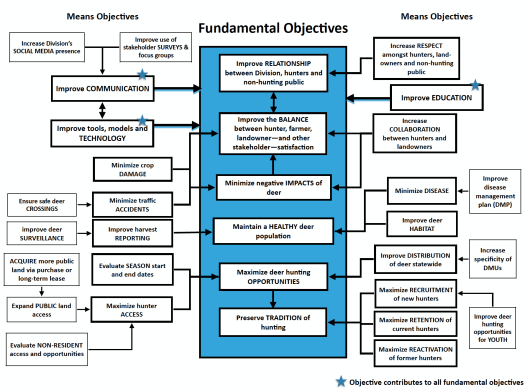
Ohio Deer Management Plan Stakeholder Engagement Process
The ODNR Division of Wildlife is working with a diverse group of stakeholders to develop a Deer Management Plan that will provide a 10-year framework for managing huntable deer populations based on historical perspectives, stakeholder interests and science-based management. Using a process known as Structured Decision Making (SDM), representatives from stakeholder organizations are helping the… Read more
-
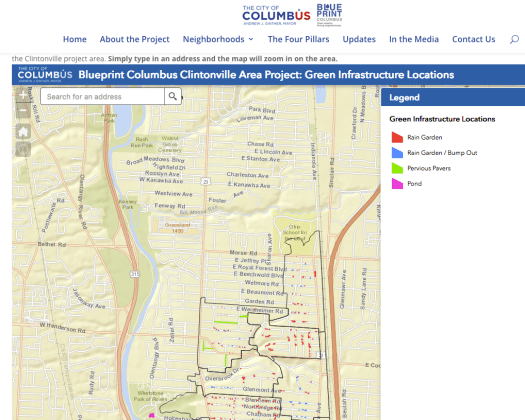
Preferences and perceptions of green infrastructure: Blueprint Columbus
In 2015, Columbus, Ohio submitted a Wet Weather Management Plan to the Ohio EPA entitled “Blueprint Columbus,” which would eliminate 28 miles of sanitary sewer overflow tunnels in favor of green infrastructure (GI) improvements including rain gardens. The mayor of Columbus has argued Blueprint Columbus would not only bring the city into EPA compliance, but… Read more
-
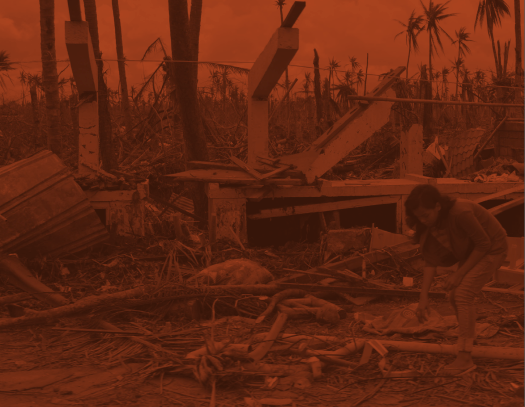
Assessing non-market loss and damage in the context of climate change
This spring a group of twenty-four scientists from Australia, New Zealand, Ghana, United Kingdom, United States, and South Africa (Table 1) came together across disciplines to explore how loss and damage (L&D) is understood and experienced by particular groups of people in various geographic settings. We conducted a workshop in Perth, Australia, between 18th and… Read more
-

There will be blood: Communicating climate change risk honestly in 2017 and beyond.
Each December my colleagues and I travel to DC or somewhere far warmer like San Francisco or San Diego to meet and discuss the state of risk communication research. One of the enduring foci of these meetings is climate change, and more specifically how we should go about communicating the risks of climate change and… Read more
-
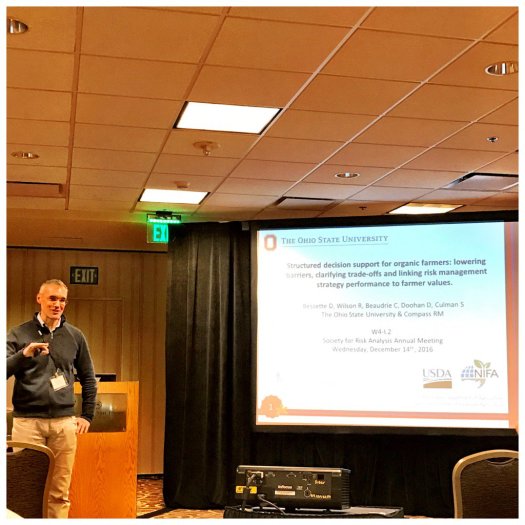
Structured decision support for organic farmers in the Midwest
This December Robyn Wilson, Christian Beaudrie and I traveled to San Diego to report on a decision support framework we’re building to help organic farmers make ecological weed management decisions. This tool uses as its foundation mental models research done by Sarah Zwickle and the SDM principles that my colleagues and I rely on to… Read more
-
Building a “values-informed” mental model for New Orleans climate risk management
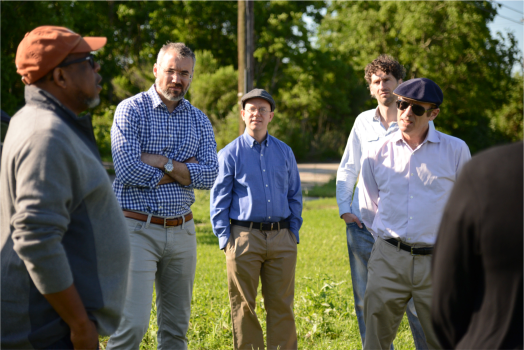
Last spring, I traveled to New Orleans to meet with decision-makers and discuss efforts to manage the city’s sea-level rise and storm surge risks. This followed a trip to interview residents and build a “values-informed” mental model, ViMM, which depicts their values as a function of specific climate risk factors and management strategies. Our paper… Read more
Doug Bessette, PhD, Associate Professor, Department of Community Sustainability, Michigan State University

