
See article HERE
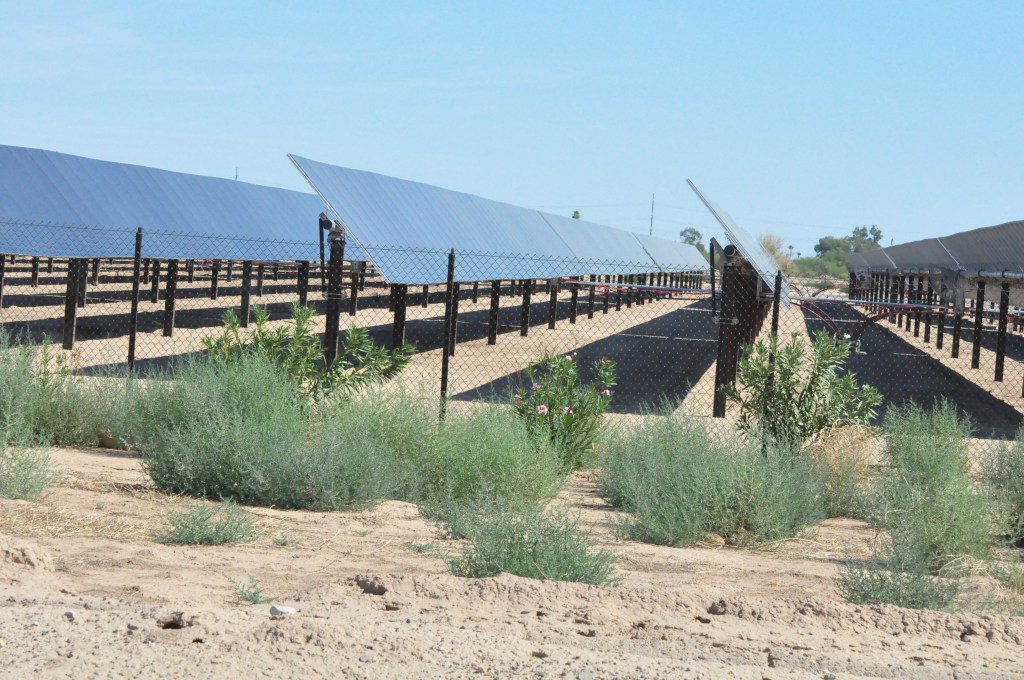
Large-scale solar photovoltaic (LSS) systems have been the largest source of electricity generating capacity added annually the United States since 2009. As LSS development matures, strengthening the foundation of the supporting research is important for establishing a shared understanding of public responses to siting and a robust evidence base that can guide decision-making. This systematic review and critical analysis led by Alexis Pascaris with Doug Bessette and Tyler Swanson as co-authors synthesizes social science research on public responses to LSS in the United States.
We examine research trends, geographic coverage, key explanatory factors, and enduring issues within the literature, highlighting high-value research areas and key considerations for decision-makers, developers, and host communities. We also propose a conceptual framework for interpreting the research findings and offer recommendations to help the field converge around shared definitions, methodologies, and priorities. Across the literature reviewed, public responses to LSS are most consistently associated with place-based values and meanings, risk-benefit perceptions, and judgements about procedural and distributive fairness. Three broader implications emerge from this review related to information and trust; opportunities and constraints for LSS integration with agriculture; and place-based siting approaches that build on common principles. These insights provide practical guidance for LSS research and public engagement and offer transferrable lessons for socially acceptable siting and land use decision-making more broadly.
Please cite as follows: Pascaris AS, Bessette D, Walsh KB, Gerlak AK, Kay D, Macknick J, et al. A systematic review and critical analysis of research on public responses to large-scale solar in the United States. Energy Research & Social Science [Internet]. 2026 Nov 1 [cited 2026 Nov 16];141:105070. Available from: https://www.sciencedirect.com/science/article/pii/S2214629626005414

